
Beneath the surface
For most of its long life, the shirt was not meant to be seen. In Europe, from the medieval period well into the nineteenth century, it was an undergarment — a simple linen tunic worn next to the skin, beneath a doublet, waistcoat or coat. Its first job was practical: linen could be laundered far more easily than heavy outer clothing, so the shirt absorbed the wear of the body and protected the expensive garments worn over it.
Because it was underwear, the shirt was largely concealed. What showed was only what escaped at the edges — the neck and the wrists. Those two small glimpses would shape the entire future of the garment. The collar and the cuffs became the places where status, care and taste could be displayed, often with ruffles, lace and fine finishing.
A clean, white shirt was itself a signal. White linen was hard to keep pristine, so wearing it suggested a life removed from physical labour and the means to have clothing laundered often. That association between a crisp white shirt and a certain kind of working life would outlast the centuries — it survives today in the phrase "white-collar".
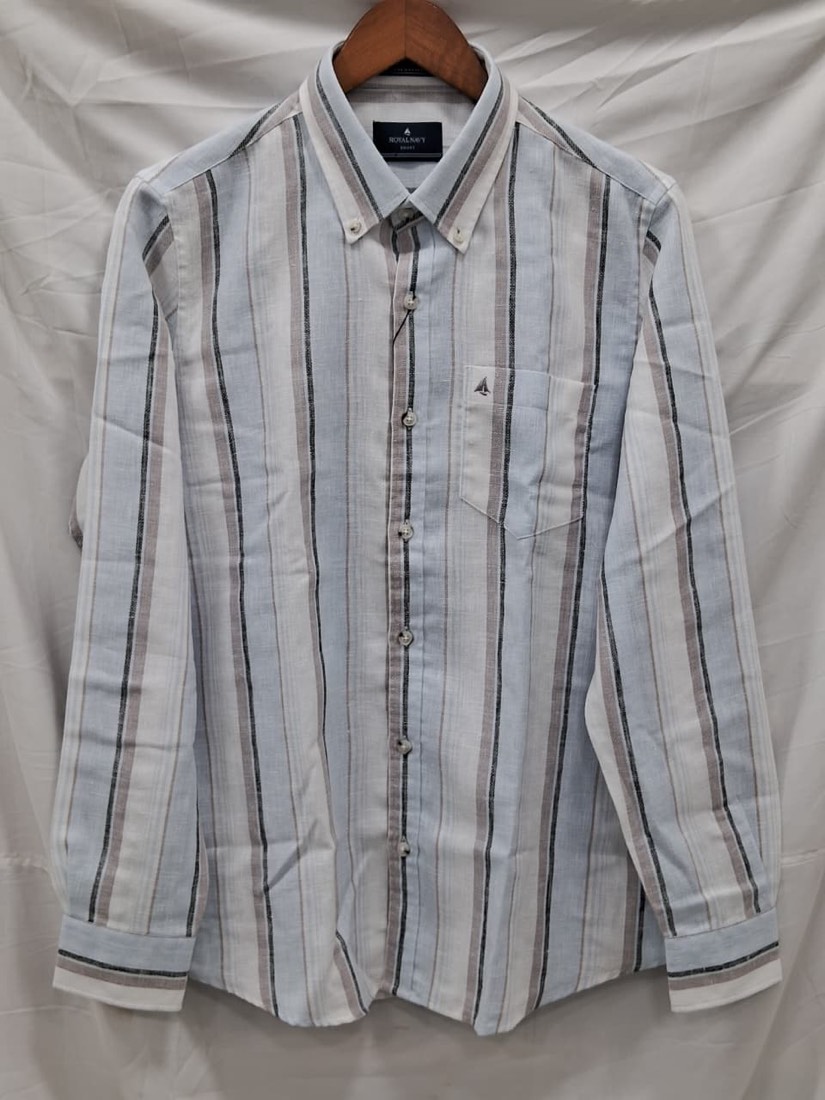
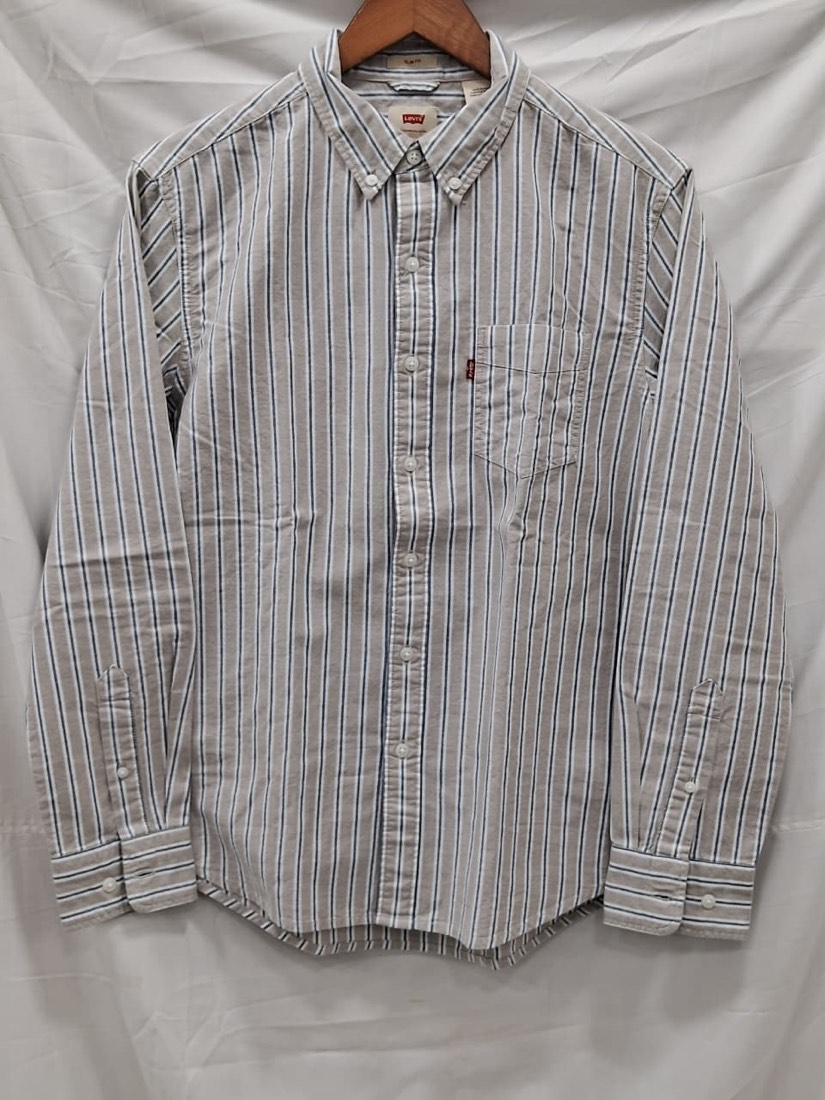
Fig. 1.1 Stripes on a light ground — a direct descendant of the plain, light-coloured linen shirt.
The age of the collar
If the collar and cuffs were what people saw, they were also what got dirty first. In 1827, in Troy, New York, Hannah Lord Montague is credited with a practical solution: cutting the collar off her husband's shirt so it could be washed separately and reattached. The detachable collar was born, and Troy went on to become so closely associated with collar manufacturing that it earned the nickname "the Collar City".
Detachable collars, and later detachable cuffs, allowed a man to look freshly dressed without laundering the whole shirt every day. Collars were often heavily starched and stood stiff and high. Through the nineteenth and early twentieth centuries they came in a wide range of heights and shapes, and a man's choice of collar said a great deal about his profession and formality.
- Collars were the most visible — and most changeable — part of a man's outfit.
- Starching gave them their sharp, upright shape.
- Separate collars and cuffs made a single shirt body more versatile.
The modern collar is the descendant of a laundry problem — and it still carries the formality of those starched originals.
- Pre-1800sThe shirt is a linen undergarment; collar and cuffs are the only visible parts.
- 1827The detachable collar is credited to Hannah Lord Montague of Troy, New York.
- 1871A shirt that opens fully down the front, like a coat, is registered in Britain by Brown, Davis & Co.
- 1896Brooks Brothers introduces its button-down collar, inspired by the collars worn by polo players.
- 1920s–30sShirts with attached, softer collars gradually become standard.
Opening the front
Early shirts were pulled on over the head, opening only partway down the chest. The idea of a shirt that buttons all the way from collar to hem — the "coat shirt" — is often traced to 1871, when the British shirtmaker Brown, Davis & Co. registered such a design. Over the following decades the full button front spread, and it is now so universal that it defines what most of us picture when we think of a formal shirt.
The button front changed the garment's architecture. It introduced the placket — the reinforced strip carrying buttons and buttonholes — which became a strong vertical line down the centre of the body. That line is one reason a well-pressed formal shirt looks so orderly: it divides the torso cleanly and leads the eye up towards the collar and face.
By the early twentieth century the stiff detachable collar was beginning to give way. Softer, attached collars were more comfortable and easier to care for, and by the 1920s and 1930s they had become the everyday norm. The shirt was steadily becoming a garment designed to be seen, not hidden.
Fig. 3.1 The full button front and placket create the strong central line of the modern shirt.
Collars, cuffs & silhouettes
Once collars were attached, their design became a matter of style rather than laundry. Point collars, spread collars, rounded club collars and button-down collars each developed their own associations. The button-down, introduced by Brooks Brothers in 1896 and inspired by polo players who fastened their collar points to stop them flapping, carried a sporting, slightly relaxed character that it still has today.
Wider spread collars became associated with the fuller tie knots of the 1930s, a look popularly linked to the Duke of Windsor, whose influence on menswear of the period is widely recognised. The cutaway — an extreme spread — is its bolder modern relative.
The cuff as punctuation
Cuffs followed a similar path. The single or double-button barrel cuff became the practical everyday standard, while the double cuff — folded back and fastened with cufflinks — kept its place for formal occasions. A small amount of cuff showing beneath a jacket sleeve remains one of the quiet markers of a well-dressed man.
The silhouette
As the shirt emerged from under waistcoats and jackets, its cut began to matter. Fuller shirts suited the layered dressing of earlier decades; closer, shaped shirts suit today's lighter wardrobes, where a shirt is frequently worn on its own. That evolution is why modern collections offer slim, tailored, regular and relaxed silhouettes.
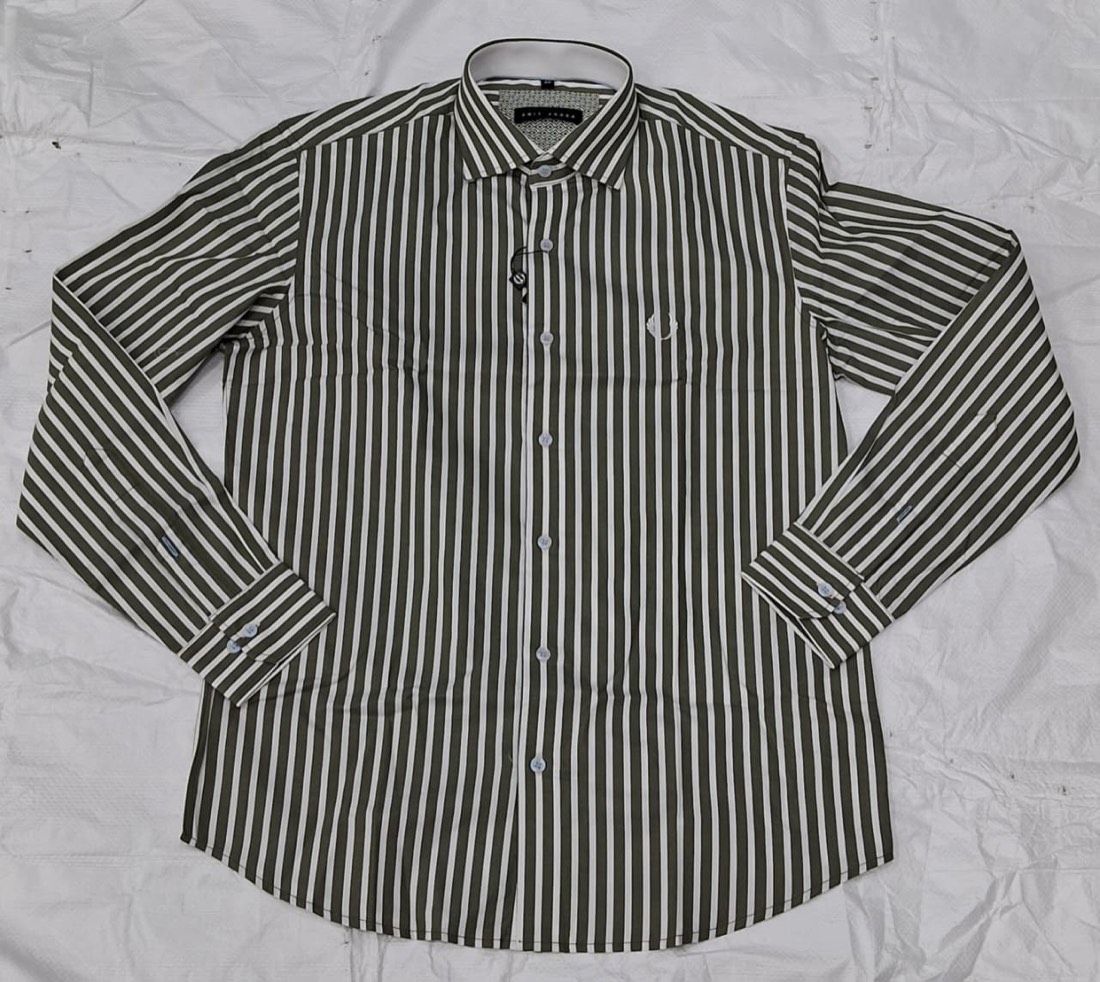
Fig. 4.1 A classic collar on a bold stripe — collar shape changes the whole character of a pattern.
The shirt goes to work
The twentieth century turned the formal shirt into a uniform of professional life. The phrase "white-collar worker" entered English in the early 1900s to describe office employees, drawing directly on the white shirts and collars they wore — a sign of how closely the garment had become tied to a particular kind of work.
Over the decades the office shirt broadened. Light blue became nearly as common as white; stripes and small checks entered the business wardrobe; and in many offices — especially in warm climates — the shirt increasingly became the main garment of the working day, worn with trousers and no jacket at all. The rise of "business casual" from the 1990s onward pushed this further, making the shirt itself the most important signal of professional dress.
In practical terms, that shift raised the stakes for fit, fabric and detail. When a jacket no longer hides the shirt, everything shows: how the shoulders sit, whether the front pulls, how the collar holds its shape without a tie.
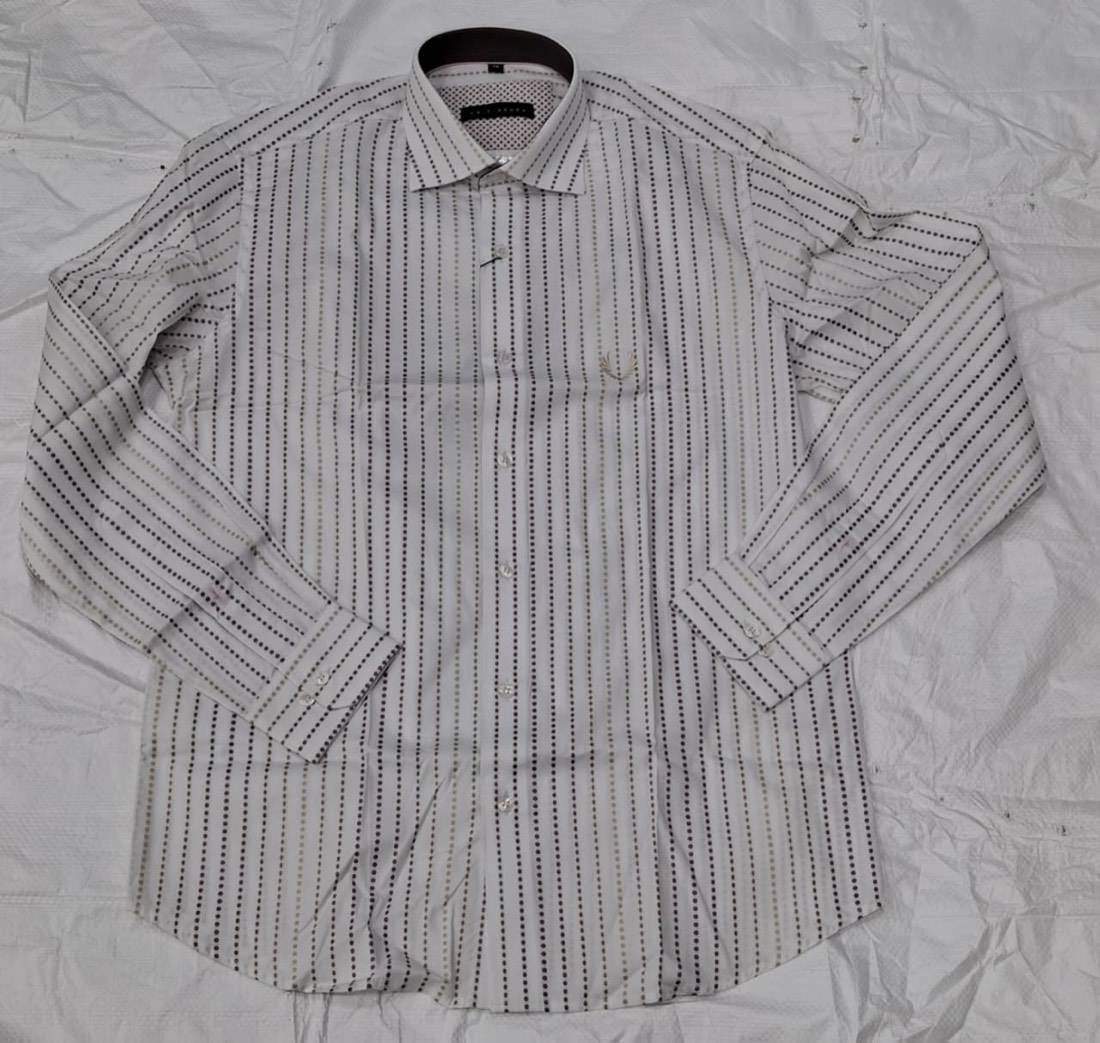
Fig. 5.1 Fine stripes on a pale ground — the archetypal modern office shirt.
Fit & proportion
A formal shirt is judged first by how it fits. The shoulder seam should meet the edge of the shoulder; the collar should close comfortably with room for a finger or two; the chest should lie flat without pulling across the buttons; and the sleeves should end at the wrist so that the cuff sits at the wrist bone.
Proportion is the subtler partner to fit. A wide spread collar balances a broader face and a fuller tie knot; a narrower collar suits a slimmer frame. Bold stripes look best on a shirt that fits cleanly, because any excess fabric bends the lines. Even the length of the shirt matters — long enough to stay tucked when you raise your arms, but not so long that it bunches at the waistband.
None of this requires precise numbers. It requires looking honestly in a mirror, moving in the shirt — reaching, sitting, turning — and noticing where it resists. Our Fit Manual walks through each checkpoint in detail.
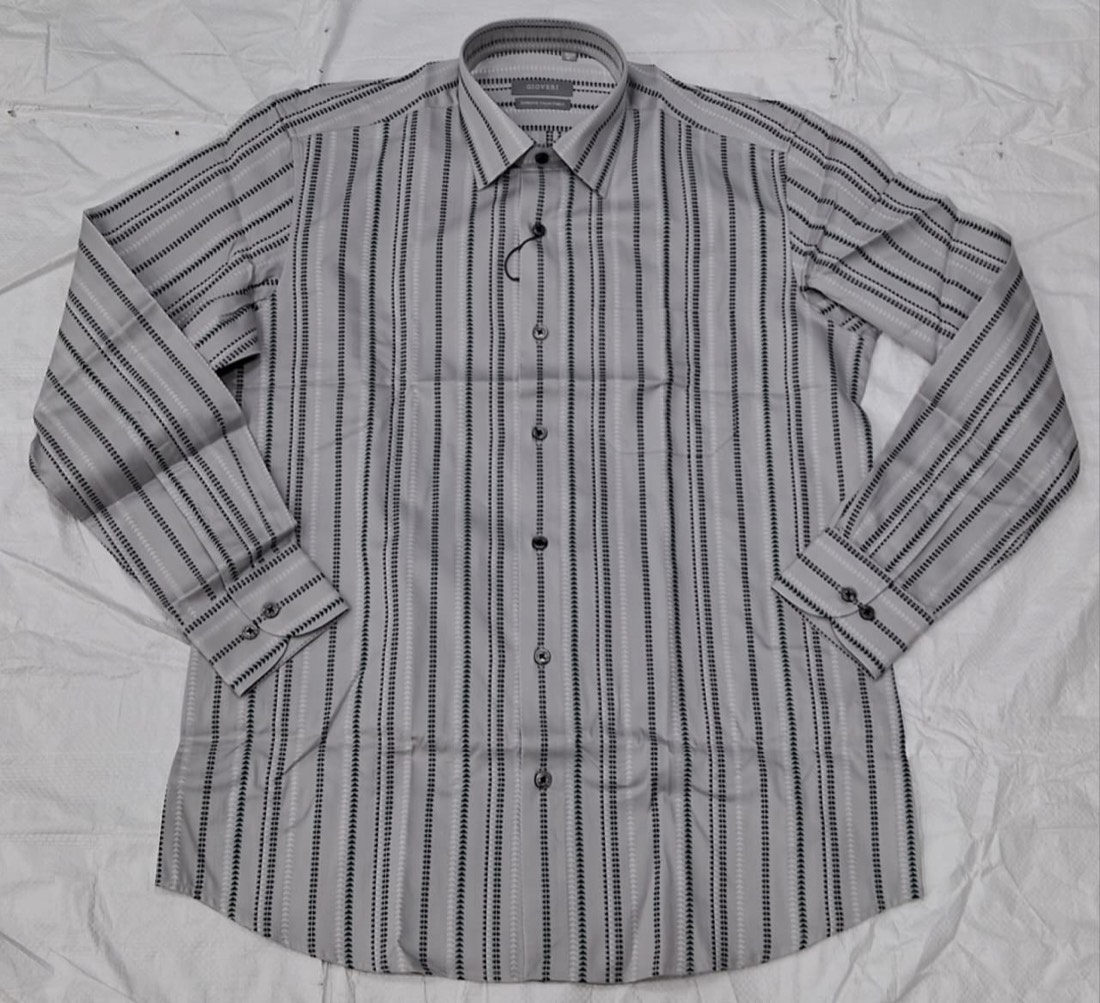
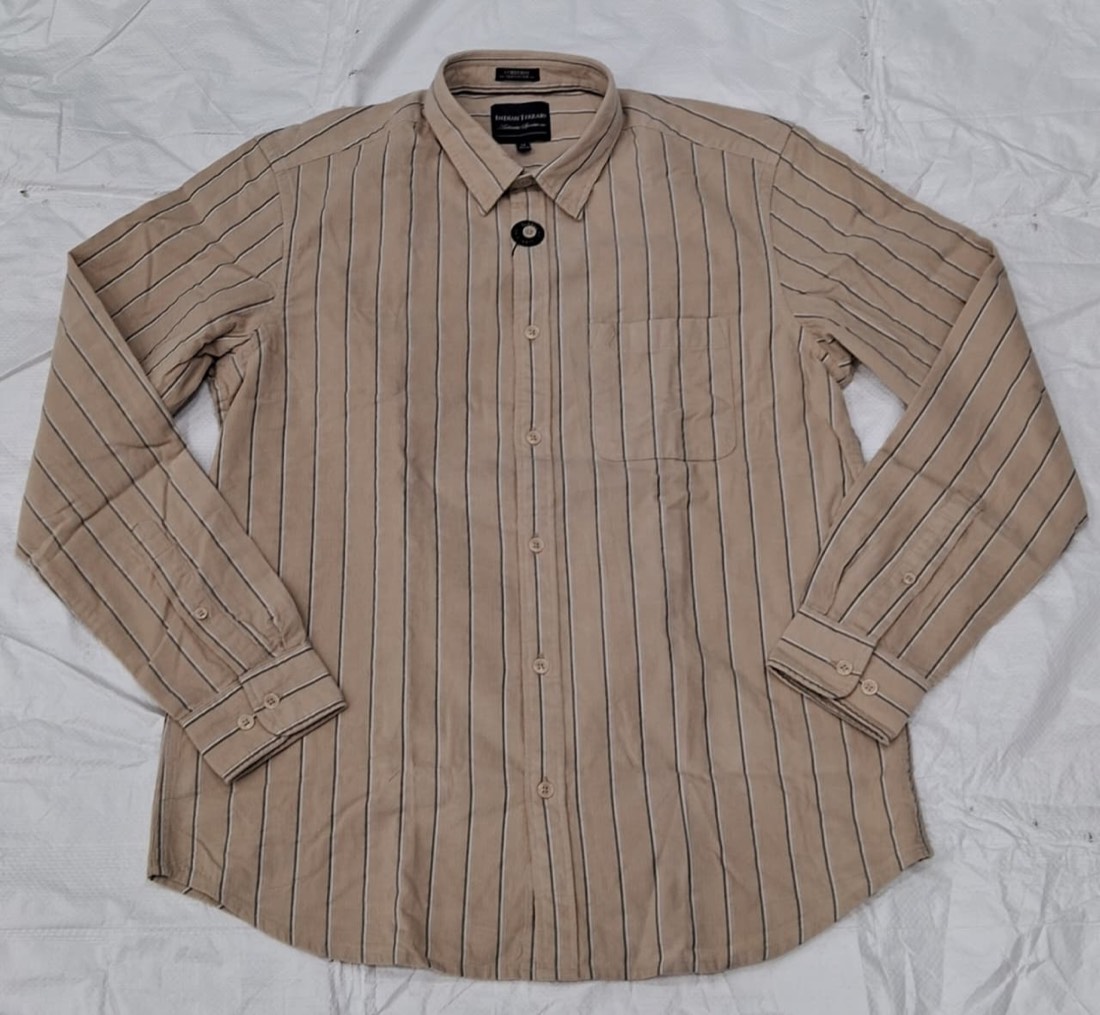
Fig. 6.1 Straight, unbroken stripes are a quick visual test of a clean fit.
The contemporary shirt
Today's formal shirt lives in many rooms at once. The same man may need a crisp white shirt for a ceremony, a light blue shirt and tie for a client meeting, a small-check shirt worn open-necked under a blazer for the office, and a subtly printed shirt for an evening out. Contemporary dressing is less about a single correct shirt than about a well-chosen set of shirts that cover those occasions.
How formal shirts fit different occasions
- Ceremonies and formal events — white or very pale solids, spread or cutaway collars, double cuffs where appropriate.
- Traditional business — white, light blue and fine stripes with classic or semi-spread collars and a tie.
- Contemporary office — pastels, small checks and textured surfaces, often without a tie.
- Smart casual — button-down collars, checks and tasteful prints with chinos or tailored trousers.
The principles that history handed down still hold. Keep the collar and cuffs immaculate, because they are still what people notice first. Choose fit before fashion. And treat the shirt as what it has become: not an undergarment, but the garment that defines the outfit.
Fig. 7.1 Colour and stripe carry personality into the modern office wardrobe.
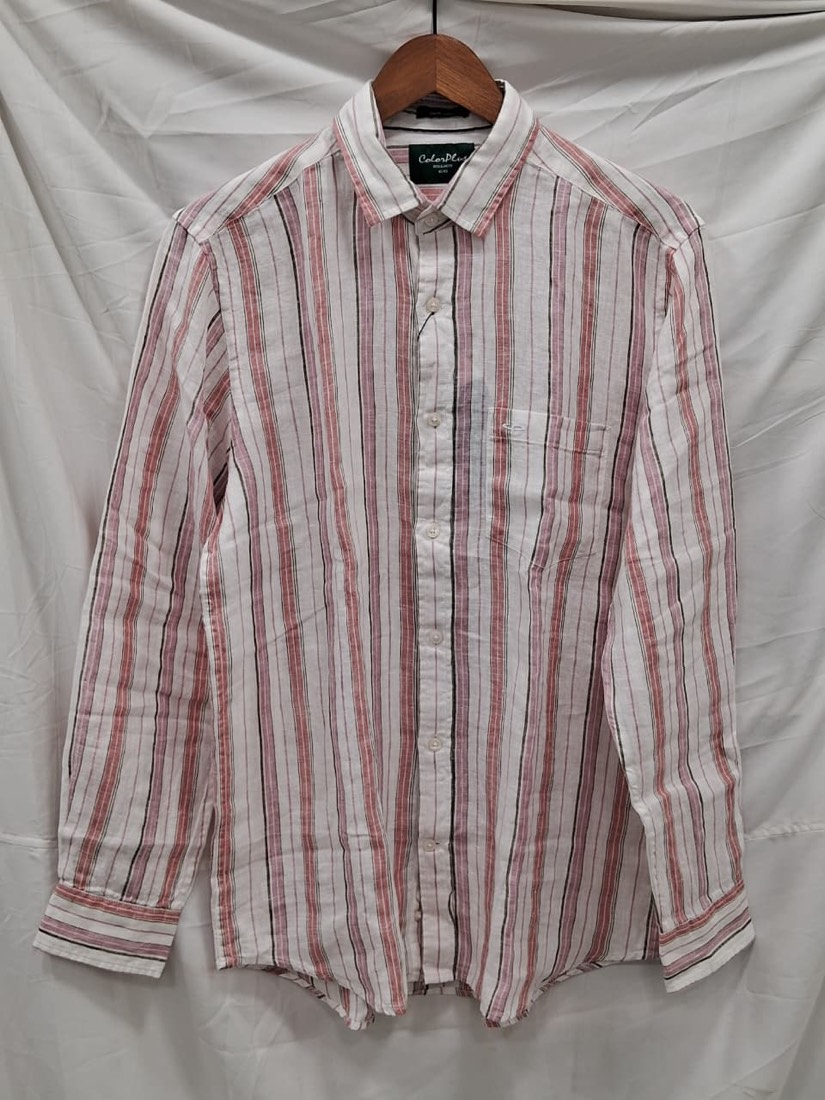
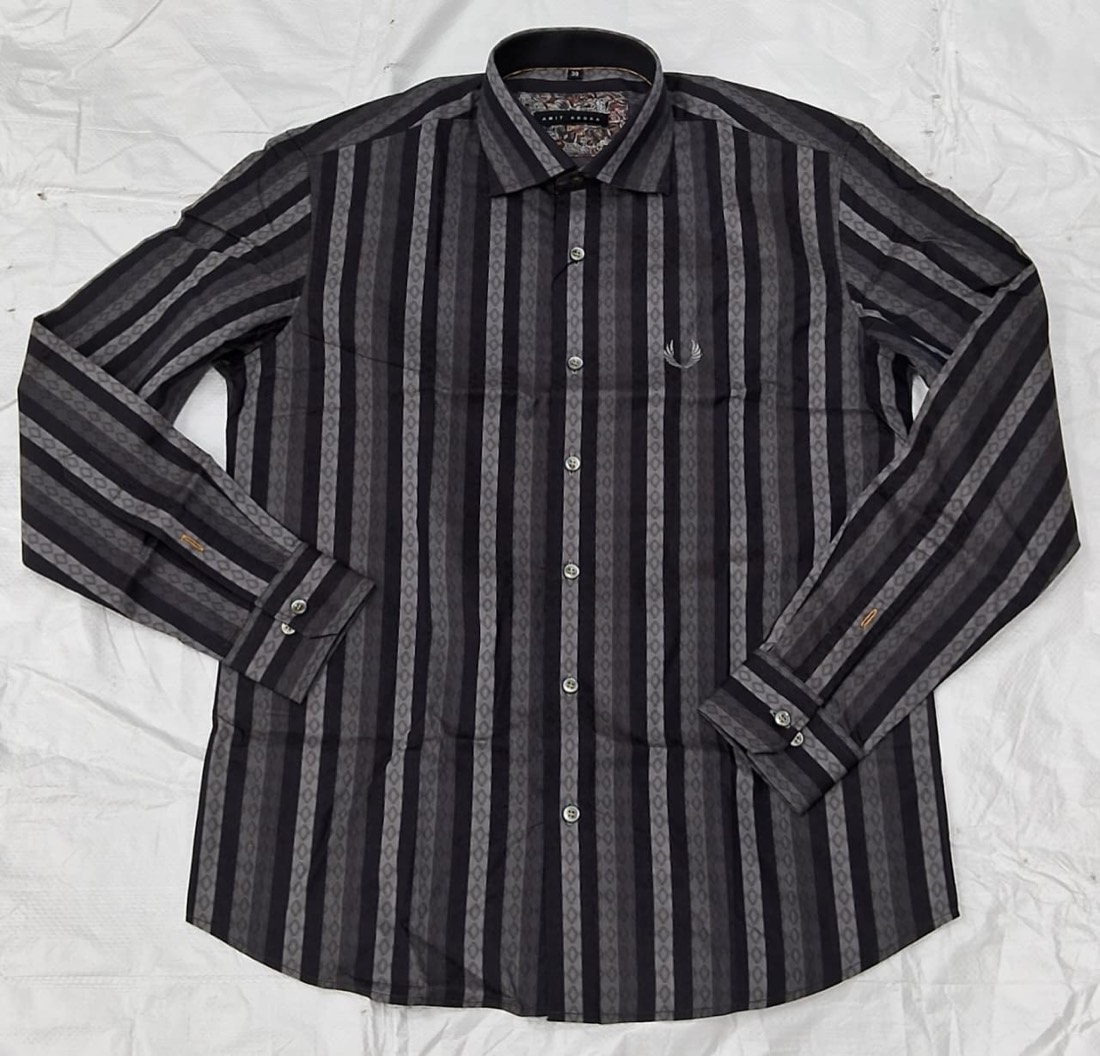
Fig. 7.2 A dark ground with bold stripes — an evening-ready interpretation of the classic.